Basement Waterproofing in Reading, MA
A wet basement usually has a specific cause: gutters and grading sending water at the foundation, cracks, a high water table, or water coming in where the floor meets the wall. We connect North Shore homeowners with independent local professionals who can find the cause and give you a written price.
Reading homes at a glance
Source: U.S. Census Bureau, American Community Survey 2020–2024 5-year estimates, via Census Reporter.
What that means for basement waterproofing in Reading
Many Reading homes are mid-century, with poured concrete or block foundations that are now 60 years old or more. Cracks, block cores that fill with water, and the floor-wall joint are common leak points.
About 51% of homes in Reading were built before 1960, and the median home was built around 1960. Before paying for a full system, ask whether gutter, downspout, and grading fixes could solve or reduce the problem.
About Reading
Reading sits on low, rolling ground where three watersheds meet: the Ipswich, Aberjona, and Saugus.
The town's open space plan describes Reading as dotted with swamps and wooded wetlands, including Cedar Swamp and Timberneck Swamp in the northeast, and homes near wet areas can see a higher water table.
Signs to watch for
- Water on the floor after heavy rain or snowmelt
- Damp walls, efflorescence (white, chalky deposits), or peeling paint
- A musty smell in the basement
- Water stains along the bottom of the walls
- Rust on appliance legs or the water heater base
What the work typically involves
- Find the source. A good assessment starts outside with gutters, downspouts, and grading, then checks the walls, floor joint, and cracks inside.
- Fix the outside first. Extending downspouts and regrading soil away from the house are often the cheapest fixes.
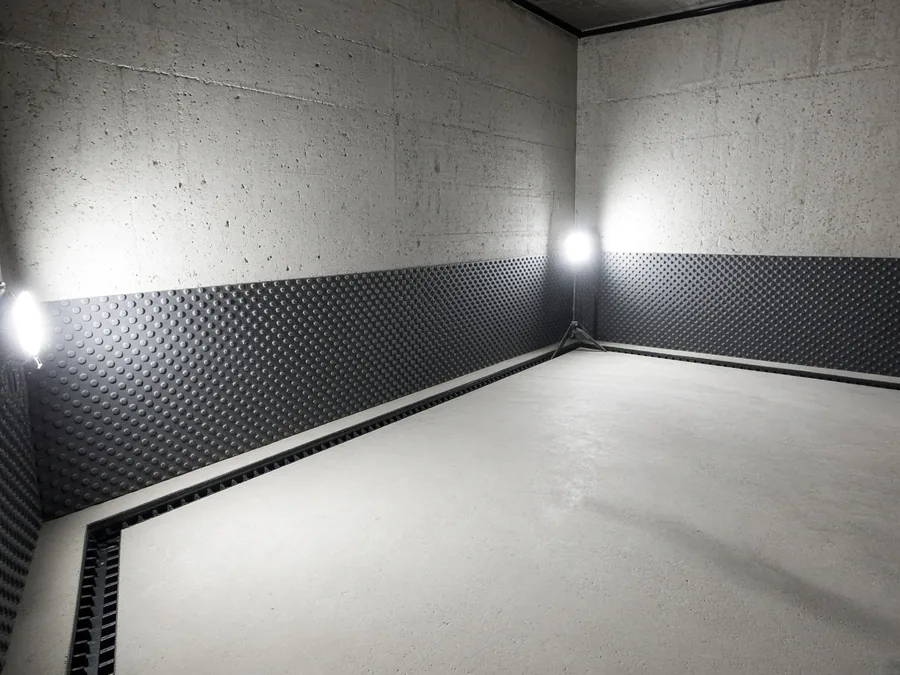
- Manage the water. Common systems include an interior perimeter drain with a sump pump, or exterior excavation with drainage and a membrane.
- Written scope and warranty. Ask for a written scope that says where the water will discharge, and what the warranty covers.
Helpful resources: Mass.gov: Home Improvement Contractor resources · Reading Open Space and Recreation Plan 2022-2029
Why basement water matters
Water that keeps getting into a basement damages walls, floors, and belongings, and damp basements are a common place for mold. Most homeowners policies also do not cover flood damage, according to FEMA.
Sources: EPA: A Brief Guide to Mold, Moisture and Your Home · Building Science Corporation: BSD-103 Understanding Basements · FEMA: Homeowners Insurance and Flooding · FEMA NFIP: Basement Flooding, What’s Covered
Basement Waterproofing in Reading: FAQ
How quickly can someone look at my wet basement in Reading?
It depends on the contractor's schedule. After big storms, demand spikes. When you submit a request, we pass it to an independent local professional who serves Reading, and they contact you directly.
Do I need a permit for foundation work in Reading?
Often, yes. The state's contractor guidance lists masonry work related to the building as requiring a building permit, a Construction Supervisor License, and HIC registration, and the building code requires a permit for work such as cutting structural supports. Ordinary repairs may not need one. Ask the Reading building department, and confirm in writing who pulls the permit.
Interior or exterior waterproofing?
Interior drainage with a sump pump is usually less disruptive and less expensive. Exterior excavation addresses water before it reaches the wall but involves digging around the foundation. The right choice depends on the source, the foundation type, and access.
Will a dehumidifier fix a wet basement?
It helps with humidity but not with liquid water coming in. If you see water on the floor, the source needs to be addressed.