Basement Waterproofing on the North Shore
A wet basement usually has a specific cause: gutters and grading sending water at the foundation, cracks, a high water table, or water coming in where the floor meets the wall. We connect North Shore homeowners with independent local professionals who can find the cause and give you a written price.
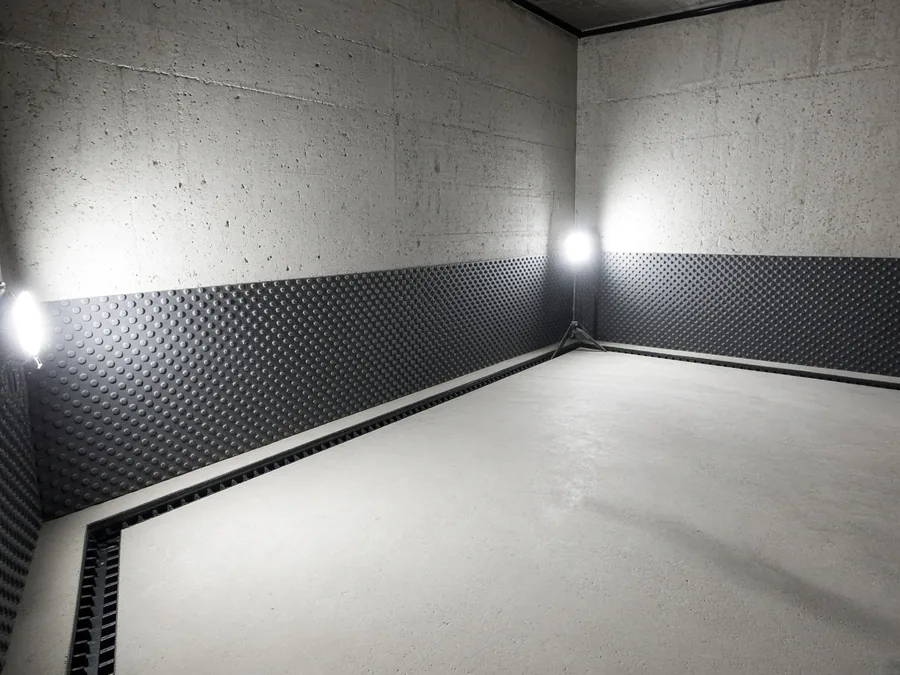
Why basement water matters
A little dampness can seem harmless, but water that keeps getting into a basement tends to cause bigger problems over time.
Water damages what it touches
Standing water and wet materials damage drywall, flooring, framing, and stored belongings, and they become a breeding ground for mold and bacteria. The EPA advises drying water-damaged areas and items within 24 to 48 hours.(EPA: A Brief Guide to Mold, Moisture and Your Home)
Damp basements grow mold
Mold needs moisture to grow, so a basement that stays damp is a common place to find it. Cleaning mold without fixing the water source usually means it comes back.(EPA: A Brief Guide to Mold, Moisture and Your Home)
The foundation needs water managed outside
Building scientists recommend keeping water away from foundation walls with grading, gutters, perimeter drainage, and damp-proofing, so water is not pushing through cracks and joints. Warm, humid air on cold concrete can also cause condensation.(Building Science Corporation: BSD-103 Understanding Basements)
Insurance may not cover it
FEMA notes that most homeowners insurance does not cover flood damage, and flood insurance coverage for basements is limited, especially for finished space and personal belongings.(FEMA: Homeowners Insurance and Flooding, FEMA NFIP: Basement Flooding, What’s Covered)
Signs you may need help
- Water on the floor after heavy rain or snowmelt
- Damp walls, efflorescence (white, chalky deposits), or peeling paint
- A musty smell in the basement
- Water stains along the bottom of the walls
- Rust on appliance legs or the water heater base
What the work typically involves
- Find the source. A good assessment starts outside with gutters, downspouts, and grading, then checks the walls, floor joint, and cracks inside.
- Fix the outside first. Extending downspouts and regrading soil away from the house are often the cheapest fixes.
- Manage the water. Common systems include an interior perimeter drain with a sump pump, or exterior excavation with drainage and a membrane.
- Written scope and warranty. Ask for a written scope that says where the water will discharge, and what the warranty covers.
Every job is different. The pro you speak with will explain their own approach and pricing. North Shore Basement Pros does not perform, supervise, or guarantee any work.
Further reading: Mass.gov: Home Improvement Contractor resources · 780 CMR R105.2: work exempt from permit, repairs
Frequently asked questions
Interior or exterior waterproofing?
Interior drainage with a sump pump is usually less disruptive and less expensive. Exterior excavation addresses water before it reaches the wall but involves digging around the foundation. The right choice depends on the source, the foundation type, and access.
Will a dehumidifier fix a wet basement?
It helps with humidity but not with liquid water coming in. If you see water on the floor, the source needs to be addressed.
Are you the waterproofing company?
No. North Shore Basement Pros connects you with independent local professionals who quote and perform the work themselves.
How fast does a wet basement need to be dried out?
The EPA recommends drying water-damaged areas and items within 24 to 48 hours to help prevent mold growth. Porous items such as carpet and ceiling tiles may need to be thrown away if they become moldy.
Does homeowners insurance cover a flooded basement?
Often not. FEMA says most homeowners insurance does not cover flood damage. Flood insurance through the NFIP covers some basement items, such as furnaces, water heaters, and sump pumps, but not finished walls, flooring, or most personal belongings. Check your own policy for details.
Can a damp basement cause mold?
Yes. Mold grows where there is moisture, and the EPA says the key to mold control is moisture control. Fixing the water source matters as much as cleaning up any mold.