Foundation Crack Repair on the North Shore
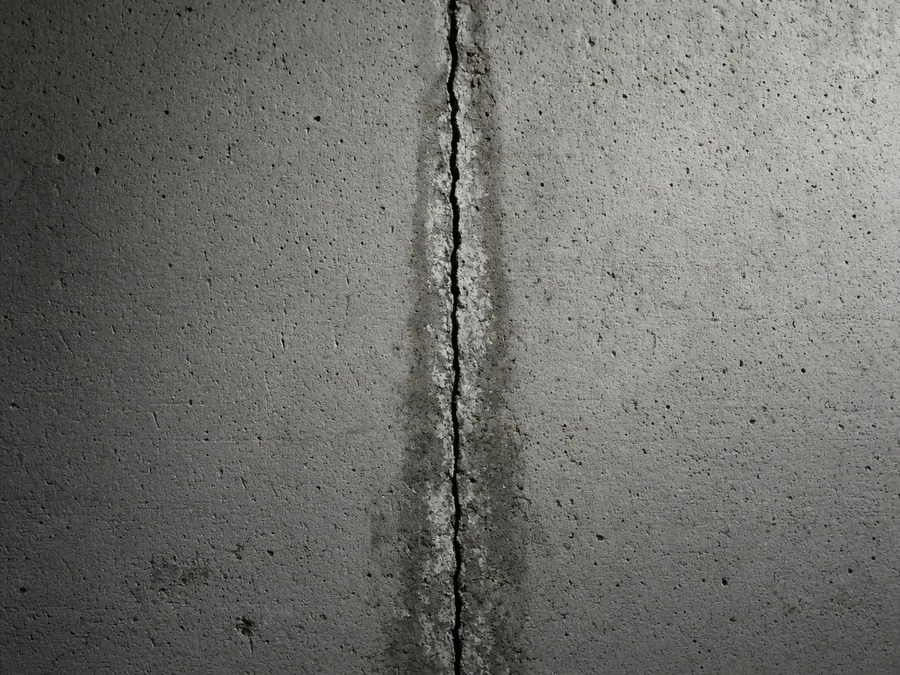
Most foundation cracks in poured concrete are shrinkage cracks that leak but are not structural. Some, such as wide, stepped, or horizontal cracks, or walls that bow, need a closer look. We connect you with independent local professionals who can tell the difference and give you a written repair price.
Why basement water matters
A little dampness can seem harmless, but water that keeps getting into a basement tends to cause bigger problems over time.
Water damages what it touches
Standing water and wet materials damage drywall, flooring, framing, and stored belongings, and they become a breeding ground for mold and bacteria. The EPA advises drying water-damaged areas and items within 24 to 48 hours.(EPA: A Brief Guide to Mold, Moisture and Your Home)
Damp basements grow mold
Mold needs moisture to grow, so a basement that stays damp is a common place to find it. Cleaning mold without fixing the water source usually means it comes back.(EPA: A Brief Guide to Mold, Moisture and Your Home)
The foundation needs water managed outside
Building scientists recommend keeping water away from foundation walls with grading, gutters, perimeter drainage, and damp-proofing, so water is not pushing through cracks and joints. Warm, humid air on cold concrete can also cause condensation.(Building Science Corporation: BSD-103 Understanding Basements)
Insurance may not cover it
FEMA notes that most homeowners insurance does not cover flood damage, and flood insurance coverage for basements is limited, especially for finished space and personal belongings.(FEMA: Homeowners Insurance and Flooding, FEMA NFIP: Basement Flooding, What’s Covered)
Signs you may need help
- A crack that leaks water after rain
- A crack wider than a pencil line, or one that is getting wider
- Horizontal cracks or a wall that bows inward
- Stair-step cracks in block or brick
- Doors and windows upstairs that start to stick
What the work typically involves
- Assess the crack. The pro looks at width, direction, and whether it is moving. Structural concerns may call for a structural engineer.
- Seal leaking cracks. Leaking, non-structural cracks in poured walls are often sealed by injecting them from the inside.
- Address structural issues. Bowing walls or structural cracks may need reinforcement or rebuilding, which generally requires a permit.
- Document it. Get a written description and photos. Repair records help if you sell the home.
Every job is different. The pro you speak with will explain their own approach and pricing. North Shore Basement Pros does not perform, supervise, or guarantee any work.
Further reading: Mass.gov: Home Improvement Contractor resources · 780 CMR R105.2: work exempt from permit, repairs
Frequently asked questions
Are all foundation cracks serious?
No. Thin vertical cracks in poured concrete are common and often just leak. Horizontal cracks, bowing walls, and cracks that keep widening deserve a professional assessment.
Should I call a structural engineer?
If you see bowing walls, horizontal cracks, or signs of movement upstairs, an independent structural engineer can assess it before you pick a repair.
Do I need a permit?
Masonry work related to the building is listed in the state's contractor guidance as needing a building permit and a Construction Supervisor License, and the building code requires a permit for cutting or removing load-bearing supports. Ask your building department.
How fast does a wet basement need to be dried out?
The EPA recommends drying water-damaged areas and items within 24 to 48 hours to help prevent mold growth. Porous items such as carpet and ceiling tiles may need to be thrown away if they become moldy.
Does homeowners insurance cover a flooded basement?
Often not. FEMA says most homeowners insurance does not cover flood damage. Flood insurance through the NFIP covers some basement items, such as furnaces, water heaters, and sump pumps, but not finished walls, flooring, or most personal belongings. Check your own policy for details.
Can a damp basement cause mold?
Yes. Mold grows where there is moisture, and the EPA says the key to mold control is moisture control. Fixing the water source matters as much as cleaning up any mold.