Foundation Crack Repair in North Reading, MA
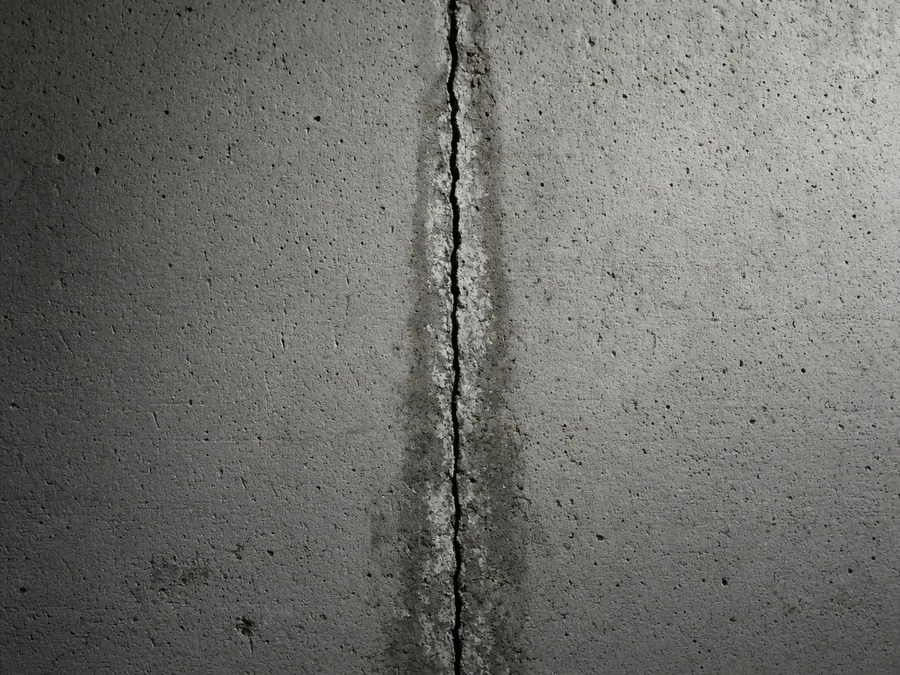
Most foundation cracks in poured concrete are shrinkage cracks that leak but are not structural. Some, such as wide, stepped, or horizontal cracks, or walls that bow, need a closer look. We connect you with independent local professionals who can tell the difference and give you a written repair price.
North Reading homes at a glance
Source: U.S. Census Bureau, American Community Survey 2020–2024 5-year estimates, via Census Reporter.
What that means for foundation crack repair in North Reading
Most North Reading homes have poured concrete foundations from the 1970s or later. Typical leaks come through shrinkage cracks, tie-rod holes, and the joint where the floor meets the wall.
About 28% of homes in North Reading were built before 1960, and the median home was built around 1975. Crack repair is often less expensive than a full drainage system, so it is worth asking whether a single leaking crack is the main problem.
About North Reading
North Reading has historically relied on private septic systems. The town is building its first municipal sewer, with initial construction expected to be complete around 2028.
Housing here is newer on average than in the inner suburbs, but low-lying lots near the Ipswich River and its wetlands can still have high groundwater.
Signs to watch for
- A crack that leaks water after rain
- A crack wider than a pencil line, or one that is getting wider
- Horizontal cracks or a wall that bows inward
- Stair-step cracks in block or brick
- Doors and windows upstairs that start to stick
What the work typically involves
- Assess the crack. The pro looks at width, direction, and whether it is moving. Structural concerns may call for a structural engineer.
- Seal leaking cracks. Leaking, non-structural cracks in poured walls are often sealed by injecting them from the inside.
- Address structural issues. Bowing walls or structural cracks may need reinforcement or rebuilding, which generally requires a permit.
- Document it. Get a written description and photos. Repair records help if you sell the home.
Helpful resources: Mass.gov: Home Improvement Contractor resources · North Reading Wastewater Project FAQ · MassDEP: Caring for your septic system (sump pumps and footing drains)
Why basement water matters
Water that keeps getting into a basement damages walls, floors, and belongings, and damp basements are a common place for mold. Most homeowners policies also do not cover flood damage, according to FEMA.
Sources: EPA: A Brief Guide to Mold, Moisture and Your Home · Building Science Corporation: BSD-103 Understanding Basements · FEMA: Homeowners Insurance and Flooding · FEMA NFIP: Basement Flooding, What’s Covered
Foundation Crack Repair in North Reading: FAQ
Do I need a permit for foundation work in North Reading?
Often, yes. The state's contractor guidance lists masonry work related to the building as requiring a building permit, a Construction Supervisor License, and HIC registration, and the building code requires a permit for work such as cutting structural supports. Ordinary repairs may not need one. Ask the North Reading building department, and confirm in writing who pulls the permit.
Is a crack in my North Reading foundation a structural problem?
Not necessarily. Most vertical shrinkage cracks are not structural, but horizontal cracks, bowing, and widening cracks should be assessed. An independent structural engineer can help if you want a second opinion.
Are all foundation cracks serious?
No. Thin vertical cracks in poured concrete are common and often just leak. Horizontal cracks, bowing walls, and cracks that keep widening deserve a professional assessment.
Should I call a structural engineer?
If you see bowing walls, horizontal cracks, or signs of movement upstairs, an independent structural engineer can assess it before you pick a repair.