Crawl Space Encapsulation in Lynnfield, MA
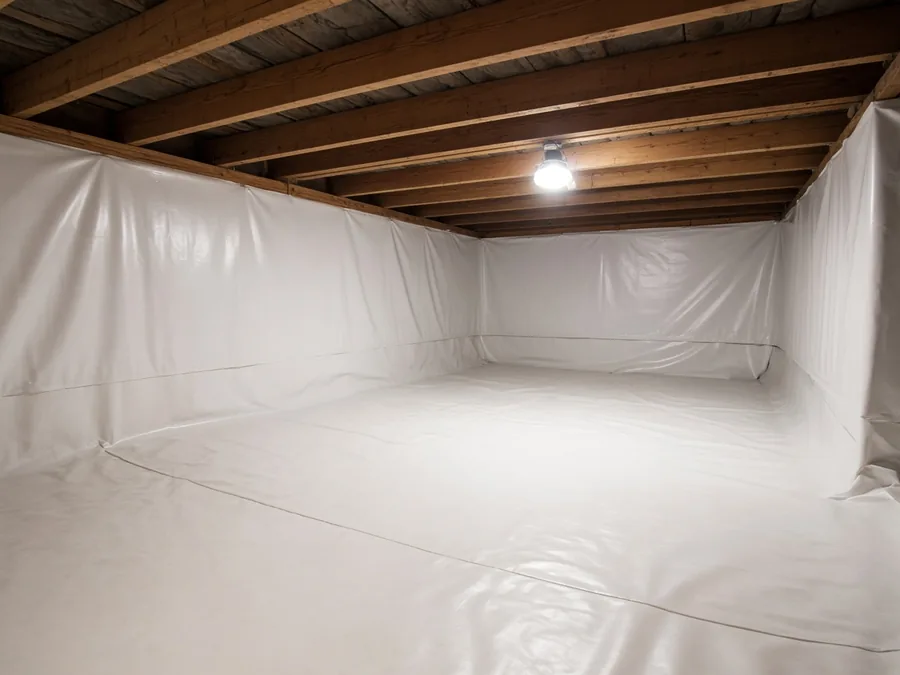
Crawl spaces under additions, porches, and older homes are often damp, with bare soil, wet insulation, and musty air that moves into the house. Encapsulation seals the floor and walls with a vapor barrier and controls humidity. We connect you with independent local professionals who do this work.
Lynnfield homes at a glance
Source: U.S. Census Bureau, American Community Survey 2020–2024 5-year estimates, via Census Reporter.
What that means for crawl space encapsulation in Lynnfield
About 43% of homes in Lynnfield were built before 1960, and the median home was built around 1964. Additions, porches, and sunrooms built onto older homes often sit over crawl spaces rather than full basements.
Crawl spaces are easy to forget, but the air in them moves up into the living space, so a damp crawl space can affect the whole first floor.
About Lynnfield
Almost every Lynnfield home relies on a private septic system rather than town sewer.
The town's own planning documents note that much of Lynnfield's soil is poorly suited to septic absorption, especially around Pillings Pond, Reedy Meadow, and upper Chestnut Street. Wet, slow-draining soil is also a common source of basement water.
Signs to watch for
- Musty odors on the first floor
- Bare soil or a torn plastic sheet in the crawl space
- Wet or sagging insulation under the floor
- Condensation on pipes or ducts in summer
- Cold floors in winter above the crawl space
What the work typically involves
- Inspect. Check for standing water, wood damage, pests, and how air moves between the crawl space and the house.
- Fix water first. If water collects, it is addressed with drainage or a sump before sealing.
- Seal and insulate. A durable vapor barrier covers the floor and walls, vents may be sealed, and the walls are often insulated.
- Control humidity. A dehumidifier or conditioned air keeps the space dry. Ask what maintenance it needs.
Helpful resources: Mass.gov: Home Improvement Contractor resources · Town of Lynnfield planning document (septic and soils) · MassDEP: Caring for your septic system (sump pumps and footing drains)
Why basement water matters
Water that keeps getting into a basement damages walls, floors, and belongings, and damp basements are a common place for mold. Most homeowners policies also do not cover flood damage, according to FEMA.
Sources: EPA: A Brief Guide to Mold, Moisture and Your Home · Building Science Corporation: BSD-103 Understanding Basements · FEMA: Homeowners Insurance and Flooding · FEMA NFIP: Basement Flooding, What’s Covered
Crawl Space Encapsulation in Lynnfield: FAQ
Is crawl space encapsulation common in Lynnfield?
It depends on the house. Many homes in Lynnfield have full basements, but additions and older sections often sit on crawl spaces. A local professional can tell you whether yours needs it.
How do I get a quote in Lynnfield?
Submit a request with a short description. We pass it to an independent local professional who serves Lynnfield, and they contact you directly.
Should crawl space vents be closed?
In an encapsulated crawl space, vents are usually sealed so humid outdoor air stays out. Vented and sealed crawl spaces are designed differently, so ask your contractor to explain their approach.
Does encapsulation need a permit?
It depends on the scope. Insulation is listed in the state's contractor guidance as needing a building permit and a CSL, and electrical or plumbing work is done by licensed trades. Ask your building department.