Sump Pump Installation in Lynnfield, MA
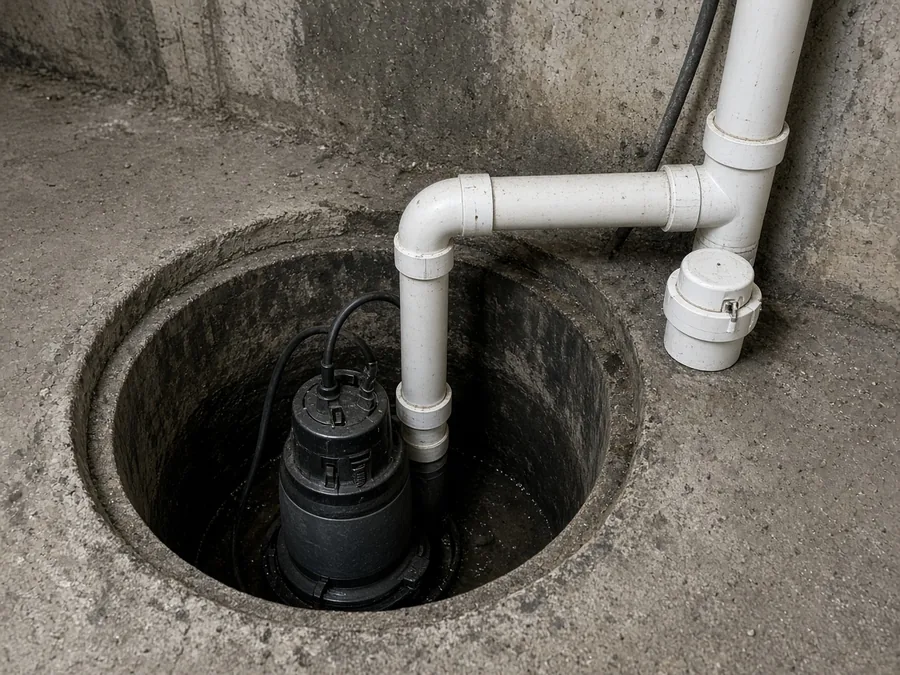
A sump pump moves water collected under or around the basement floor to the outside. Pumps wear out, and power fails during the same storms that bring the most water. We connect you with independent local professionals who install and replace sump pumps and battery or water-powered backups.
Lynnfield homes at a glance
Source: U.S. Census Bureau, American Community Survey 2020–2024 5-year estimates, via Census Reporter.
What that means for sump pump installation in Lynnfield
Many Lynnfield homes are on septic, and MassDEP advises keeping sump pumps and footing drains away from the septic system.
About 43% of homes in Lynnfield were built before 1960, and the median home was built around 1964. Many older sump pits were added after the fact, so the pump, the check valve, and the discharge line are worth checking before the next big storm.
About Lynnfield
Almost every Lynnfield home relies on a private septic system rather than town sewer.
The town's own planning documents note that much of Lynnfield's soil is poorly suited to septic absorption, especially around Pillings Pond, Reedy Meadow, and upper Chestnut Street. Wet, slow-draining soil is also a common source of basement water.
Signs to watch for
- The pump runs constantly or cycles on and off
- The pump is noisy, old, or has failed
- Water reaches the floor before the pump turns on
- No backup pump, and power outages are common during storms
- The discharge goes into a sewer line or next to the foundation
What the work typically involves
- Size the pump. The pump is sized for how much water comes in and how high it has to lift it.
- Install the pit and pump. If there is no pit, one is cut into the floor and connected to perimeter drainage where needed.
- Route the discharge. Water is discharged outside, away from the foundation and septic system, and not into the sanitary sewer.
- Add a backup. A battery or water-powered backup pump and a high-water alarm protect against outages and failures.
Helpful resources: Mass.gov: Home Improvement Contractor resources · Town of Lynnfield planning document (septic and soils) · MassDEP: Caring for your septic system (sump pumps and footing drains)
Why basement water matters
Water that keeps getting into a basement damages walls, floors, and belongings, and damp basements are a common place for mold. Most homeowners policies also do not cover flood damage, according to FEMA.
Sources: EPA: A Brief Guide to Mold, Moisture and Your Home · Building Science Corporation: BSD-103 Understanding Basements · FEMA: Homeowners Insurance and Flooding · FEMA NFIP: Basement Flooding, What’s Covered
Sump Pump Installation in Lynnfield: FAQ
Where can a sump pump discharge in Lynnfield?
Generally outside, away from the foundation and any septic system, and not into the sanitary sewer. The Lynnfield public works or building department can tell you about local rules.
Can someone replace a failed sump pump quickly in Lynnfield?
It depends on the contractor's schedule. When you submit a request, we pass it to an independent local professional who serves Lynnfield, and they contact you directly.
Can my sump pump drain into the sewer?
Generally, no. Sump pump water in the sanitary sewer adds flow that can cause backups. Wakefield, for example, asks residents not to discharge sump pumps into the sewer. Ask your town what is allowed.
Do I need an electrician?
Electrical work is done by licensed trades under Massachusetts law, so a dedicated circuit or new outlet should be handled by a licensed electrician.